


Raila Odinga’s death marked a major turning point in Kenyan politics. For decades, Raila had been the face of ODM, the party that became a symbol of opposition and change in Kenya. His leadership united many communities and shaped the political narrative of the country. His absence, therefore, left many questioning the future of ODM. Would the party remain strong, or would it fall into internal divisions and factionalism?
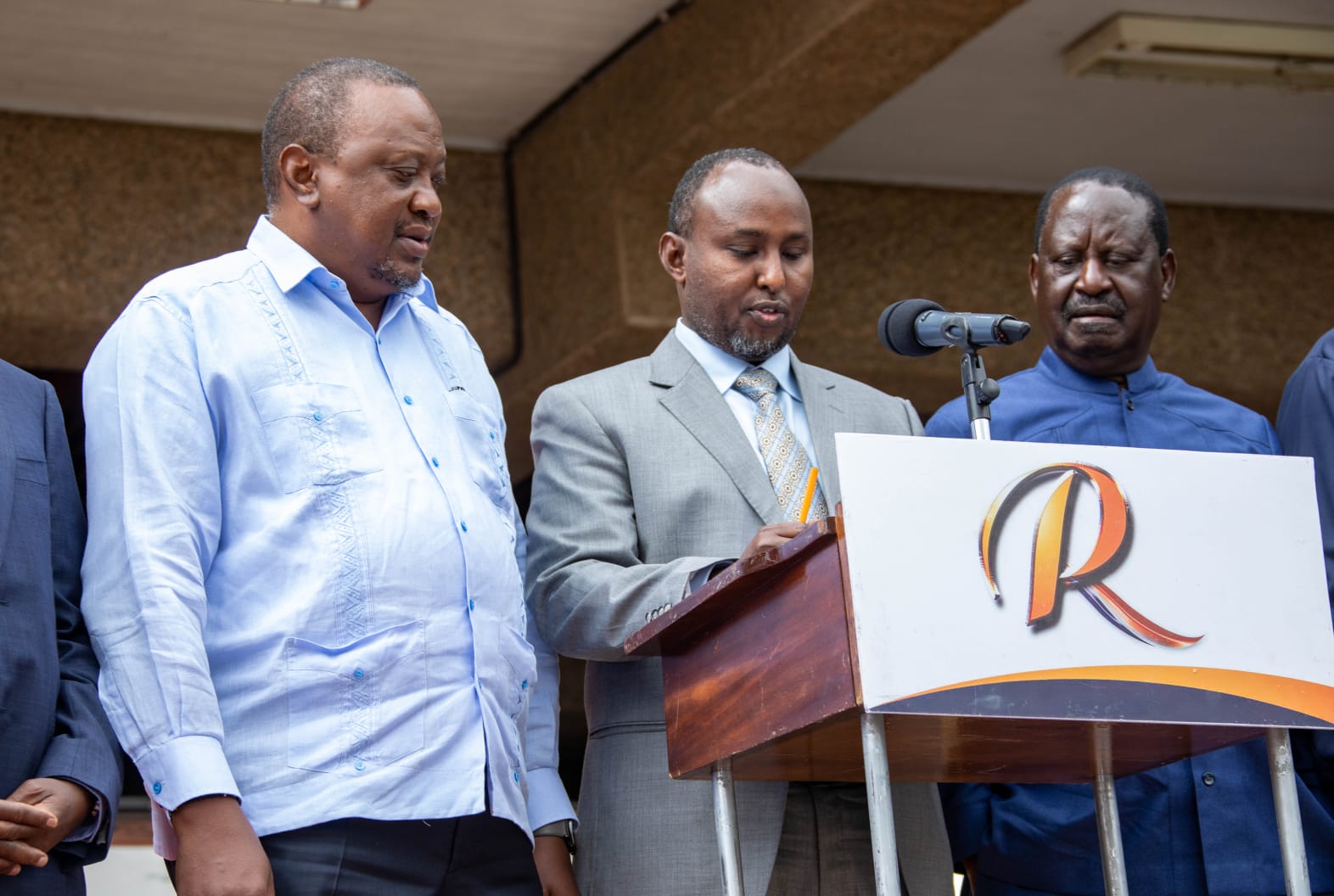
MP Junet Mohammed, a long-time ally of Raila and a senior ODM leader, has been quick to dismiss claims that the party is collapsing. His comments suggest that ODM is not only stable but also prepared to continue being a dominant political force. For Junet, the party’s future is not determined by the loss of one leader, no matter how influential he was.
ODM Remains Strong: No Factions, Only Differences
Junet has insisted that ODM remains stable and united, even after Raila’s death. He dismisses the narrative that the party is divided into factions and insists that disagreements are still at a personal level and not institutional.
“ODM is stable. There are no factions just individuals with differing views and opinions that haven’t crystallized into groups.”
This statement is important because it directly addresses a key concern among political analysts. After the death of a strong leader, many parties often experience infighting, power struggles, and fragmentation. Junet’s message is clear: ODM is not following that path. Instead, the party remains cohesive, with leaders who are still committed to the same vision and mission.
The party’s quick decision to appoint Oburu Odinga as party chair is a clear example of its commitment to stability. Junet explains the urgency of this move, emphasizing that ODM cannot afford to leave its leadership structure vacant.
“We were quick to install Oburu Odinga as party chair because ODM is a small government, you can’t leave it hanging; anything can happen. It is an institution that governs this country.”
This statement suggests that ODM views itself as more than a political party it sees itself as an institution that plays a crucial role in Kenya’s governance. The leadership change was therefore not a mere internal adjustment but a necessary step to maintain continuity and prevent chaos.
Junet also explains his personal connection with Raila, reinforcing the loyalty and dedication that many ODM leaders still feel toward the late leader.
“I was with Baba everywhere politically. I have spent my entire political life with him, having been associated with him since I was 24. He made me mayor and later an MP.”
This deep personal loyalty is a significant factor in ODM’s stability. Leaders like Junet, who have spent their entire political careers within the party, provide continuity and reassurance to supporters. Their commitment helps prevent sudden shifts in loyalty that often cause parties to fracture.
ODM Is Not Being Swallowed: The Party’s Identity Remains Intact
Another major issue that has worried ODM supporters is the fear that the party will be absorbed by another political force, especially UDA. Junet strongly denies this and emphasizes that ODM remains an independent party with a long history of political strength.
“It’s fake news that ODM is giving itself to UDA. ODM has been a strong party for 20 years. What will happen is coalition building between UDA and ODM, not one party swallowing the other.”
This statement reassures ODM supporters that the party’s identity and independence will be protected. It also clarifies the party’s strategy: ODM is willing to form alliances, but it will not surrender its power or become a subordinate partner.
Junet’s rejection of the “ODM mole” narrative also reflects the party’s stability. He defends himself against claims that he is secretly working against the party.
“I’m not an ODM mole. How can I be a mole in my own party, where I am a senior official with the responsibility to make sure the party succeeds?”
This statement shows that ODM leaders are confident and united. It also highlights that the party is aware of internal suspicion and is addressing it openly.
Junet also insists that ODM will continue to play a key role in Kenyan politics, regardless of the challenges.
The party’s stability is also linked to its political strategy. Junet has confirmed that ODM is already engaging in coalition talks for 2027, indicating that the party is not only stable internally but also proactive in shaping its future.
“ODM will be in a broad-based gov’t until 2027, & that’s why, as a party, we have already started negotiations for 2027, beginning with UDA. If we don’t reach an agreement, we will engage with other parties.”
This statement indicates that ODM is not waiting for the future to happen. Instead, the party is actively planning and negotiating, which strengthens its political position.
In addition, Junet has repeatedly emphasized the need for unity and continued loyalty to the party’s mission. His message is clear: ODM is not just surviving; it is preparing for the next phase of Kenyan politics.
The death of Raila Odinga may have changed the face of ODM, but it has not changed the party’s purpose or strength.
According to Junet Mohammed, ODM remains a stable, united force, ready to continue its role in Kenya’s political landscape. The party’s quick leadership decisions, strong loyalty among its leaders, and proactive political strategy indicate that ODM is far from collapsing it is simply entering a new era.