

Kenya’s Political Landscape in 2025
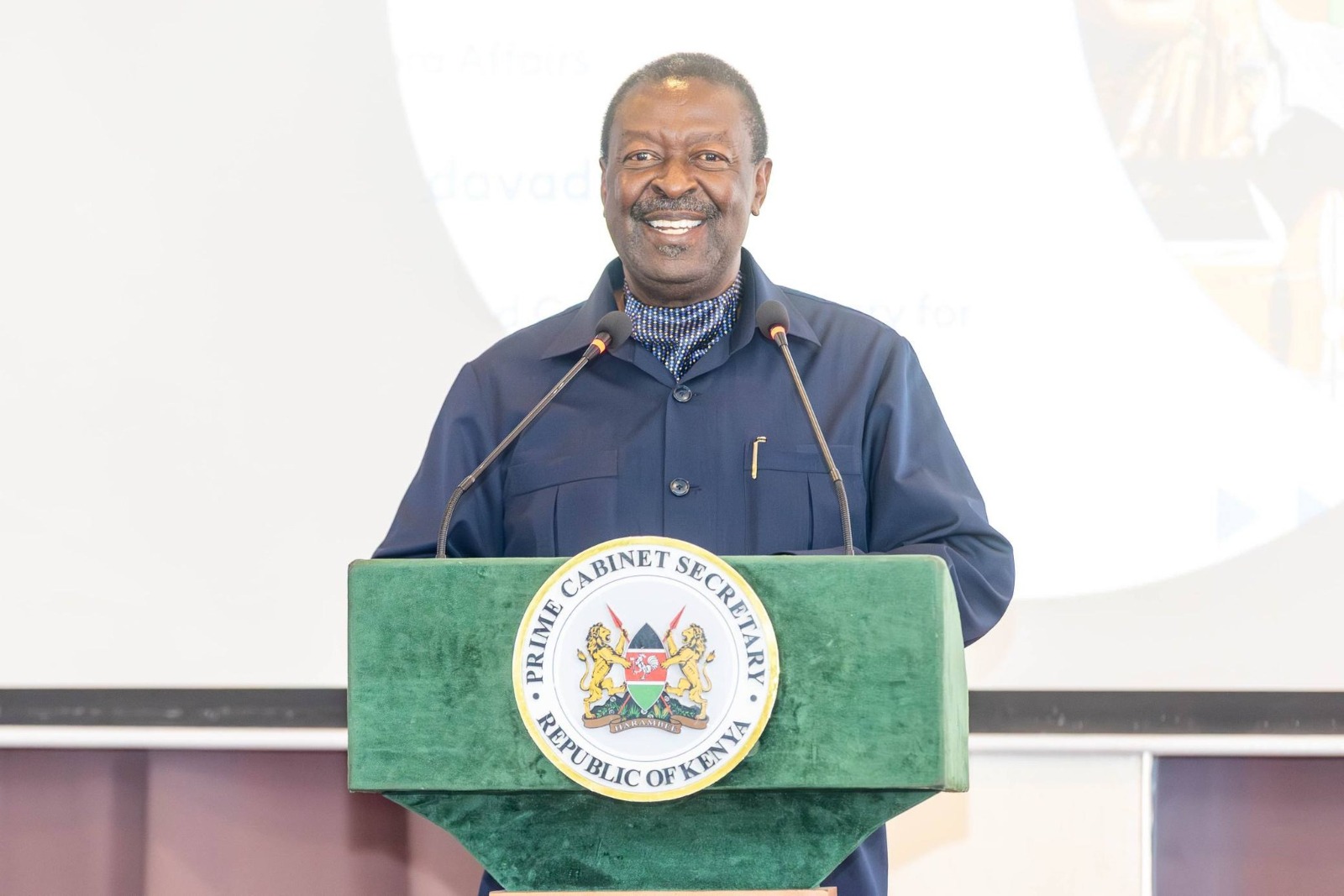
Kenya’s political scene is at a pivotal point. Prime Cabinet Secretary Musalia Mudavadi has proposed a constitutional referendum to address unresolved legal and structural gaps in governance. Coupled with the passing of opposition leader Raila Odinga, the nation faces major political shifts, coalition realignments, and debates over its constitutional future.
Musalia Mudavadi’s Call for a Constitutional Referendum
Why a Referendum is Considered Necessary
Mudavadi has emphasized that Kenya is at a constitutional crossroads. He argues that unresolved issues in the 2010 Constitution particularly electoral boundaries, gender representation, and governance structures must be addressed to ensure the credibility of the 2027 General Election.
Key issues include:
Electoral Boundaries: Constitutionally required boundary reviews have not been completed, which may affect election legitimacy.
CDF/NG-CDF Legal Entitlements: Legal embedding of constituency development funds could resolve ongoing court disputes.
Gender Representation: Enforcement of the two-thirds gender rule and equitable governance remains critical.
Formal Governance Roles: Clarifying the roles of Prime Minister and Official Leader of Opposition ensures smooth government functioning.
Timing of the Referendum
Mudavadi has stated that going to the 2027 General Election without first addressing unresolved constitutional issues through a referendum could render the polls null and void under the current constitutional framework. He argues that unresolved matters such as boundary reviews and other legal requirements risk undermining the legitimacy of the electoral process if not settled before the election cycle.
Kenya’s Political Shift After Raila Odinga’s Death
The Nation in Mourning
Raila Odinga’s death in October 2025 marked the end of an era. As a democratic icon, his passing has triggered questions about leadership succession within ODM and the broader coalition landscape.
Emerging Political Leaders
Recent polls indicate President William Ruto leading in popularity. Other politicians, including Babu Owino, are gaining influence within the Luo community and ODM structures. Former allies, such as Martha Karua, note that Raila’s absence is reshaping political competition and coalition strategies.
ODM Leadership Vacuum
ODM faces a leadership crisis and must redefine its direction without its longtime leader. This vacuum has accelerated coalition realignments, shifting power balances both nationally and regionally.
Long-Term Implications
Raila’s absence impacts:
Coalition Politics: Old alliances may weaken while new blocs emerge.
Youth Political Engagement: Younger voters are increasingly shaping political narratives.
Opposition Strategies: Opposition parties must adapt to the absence of Raila’s leadership and charisma.
Dual Event of Election and Referendum
Pushing for a referendum alongside the upcoming general election risks creating political pressure and public uncertainty. Linking unresolved constitutional issues to the election could be perceived as a tactic to influence voter sentiment, potentially distracting from the electoral process and raising questions about the legality and credibility of the polls.
Political Realignment
With Raila gone, regional and national leaders, including Kalonzo Musyoka and other influential figures, are positioning themselves ahead of 2027. This realignment is expected to redefine coalition dynamics and voter expectations.
Civic Engagement and Governance
The referendum debate is stimulating public discourse, civic engagement, and discussions on representation, governance, and constitutional compliance. The outcomes could strengthen democratic legitimacy and public trust in institutions.
Kenya stands at a critical juncture. The proposed referendum and political shifts following Raila Odinga’s death are reshaping the nation’s political landscape. The next two years will be decisive in determining how constitutional reforms, leadership changes, and electoral strategies intersect to define Kenya’s future.
This article is based on reports from Kenyan government statements, political analysts, and local media sources.