

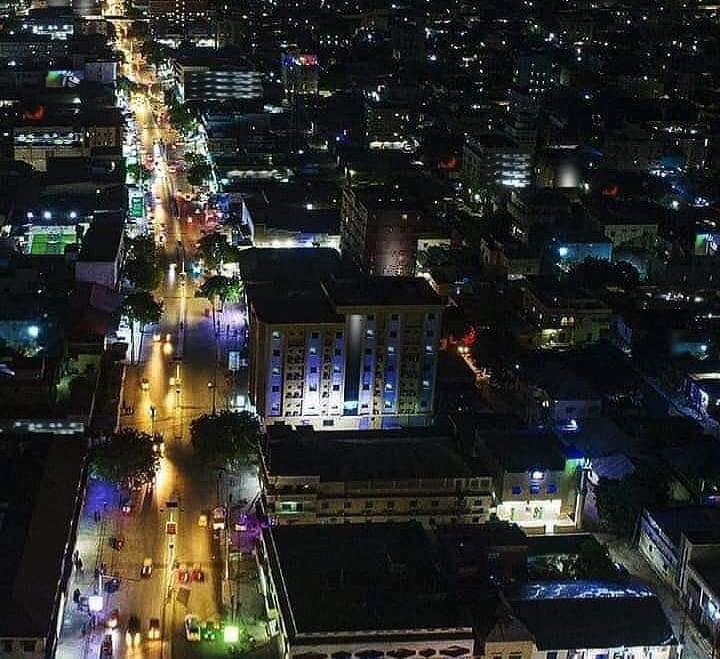
For many decades Mogadishu stood as one of the world’s most insecure capitals, a city where insecurity shaped daily life and fear dictated movement. Bombings, ambushes, and terror threats by the terror groups restricted business activity and kept residents indoors long before sunset. Public spaces were never truly public, they existed under the shadow of uncertainty.
Today, however, Mogadishu is experiencing a visible and meaningful shift. Streets remain active late into the night, cafes and shops are busy, and the rhythm of life is beginning to resemble that of a normal urban centre. This change has not occurred by accident, but through deliberate policy direction under the leadership of President Hassan Sheikh Mohamud.
How President Hassan Sheikh Mohamud Prioritised Security in Mogadishu
When Hassan Sheikh Mohamud returned to office in May 2022 he made it clear that security in Mogadishu was not merely one priority among many it was the foundation upon which everything else must rest. His administration embraced a strategy that views security as an interconnected system involving governance, technology, policing, and public trust.
One major step has been the widespread installation of CCTV cameras across Mogadishu. These surveillance systems now monitor key roads, intersections, and urban spaces, allowing security services to observe activity in real time. Rather than relying solely on physical presence, authorities are now able to detect suspicious behaviour earlier, track suspects more effectively, and respond faster when incidents occur. This shift has helped the transformation of Mogadishu from a reactive security environment into a preventive one.
Intelligence-driven coordination has also become central to stabilisation efforts. Security agencies now focus on disrupting planned attacks before execution, weakening financial and logistical support networks, and strengthening information-sharing. The result is a more organised and proactive security structure that reduces the chances of major incidents reaching the heart of the capital. This in turn signals to the public that the state is present, capable, and increasingly professional.
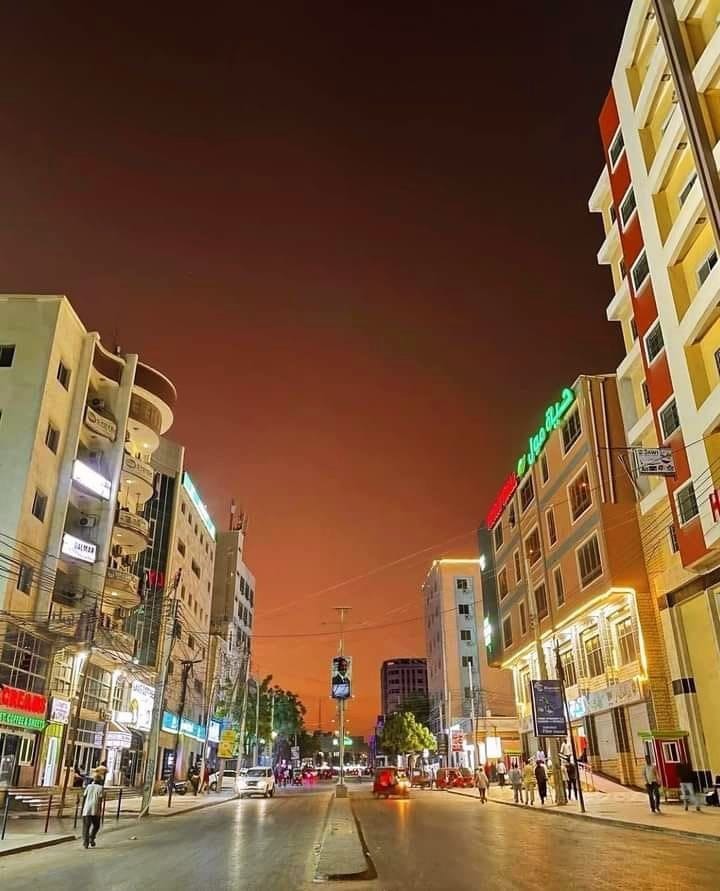
From Fear to Confidence: How Improved Security Is Changing Daily Life
Perhaps the most powerful effect of these changes is collaboration with the residents. Mogadishu residents who once rushed home before nightfall now feel increasingly comfortable remaining outdoors into the evening. Public spaces have become social spaces again. Youth meet in cafes, families gather at leisure spots especially the ocean side and small businesses extend their operating hours. This behavioural shift reflects something deeper of a population slowly regaining trust in its surroundings.As stability improves, Mogadishu has witnessed a gradual but noticeable rise in commercial activity. Entrepreneurs are opening shops, hospitality services are expanding, and diaspora investors are beginning to return. Real estate demand is increasing, and the informal sector from street vendors to transport operators has become more active due to safer mobility. The city’s changing security landscape is also reshaping Somalia’s image globally, challenging the long-standing association between Mogadishu and conflict.
Can Mogadishu’s Security Gains Be Sustained?
Despite undeniable progress, Mogadishu’s journey toward stability remains complex. Security threats have not disappeared completely, and insurgent elements still retain influence in certain areas of the country. Long-term peace depends on institutional reform, economic opportunity, strong governance, and inclusive politics. Without these pillars, security successes risk becoming temporary.
However, one outcome is already clear: Mogadishu is beginning to reclaim its identity as a functioning, living city. Cultural expression is returning, social gatherings are becoming normal again, and young people in particular are redefining their sense of belonging in the capital. For a city whose modern history has been shaped by conflict, the restoration of everyday life is itself a powerful symbol of resilience.If current reforms continue to hold, Mogadishu could emerge as a regional example of post-conflict urban recovery.
Stability attracts investment, investment creates employment, and employment strengthens social cohesion among the residents.The capital is slowly repositioning itself as the economic and social heartbeat of Somalia.
Mogadishu’s transformation under President Hassan Sheikh Mohamud therefore represents more than stronger policing. It is a story of deliberate policy, evolving institutions, psychological recovery, and cautious optimism.
Challenges remain, but the direction of change is unmistakable. Mogadishu is no longer defined only by fear. It is becoming a city of movement, opportunity, and renewed hope gradually reclaiming its future.