

A silent crisis is unfolding in Northern Kenya. It does not arrive with explosions or headlines breaking across television screens every hour. It moves quietly through villages, schools, WhatsApp groups and desperate conversations inside struggling homes. It begins with promises.
Promises of jobs. Promises of Europe. Promises of a better life. But for many young girls and boys from Garissa, Wajir, Mandera and other parts of the North Eastern region, that journey ends not in opportunity, but in the deserts of Libya trapped, tortured, abandoned and sometimes never seen again.
The reported disappearance of young girls from Iftin Primary School in Garissa and their alleged tracing to Libya has once again exposed the horrifying reality of human trafficking networks operating across the Horn of Africa.
What appears at first to be a missing persons case quickly transforms into something much darker: a ruthless transnational business built on fear, poverty and human suffering.
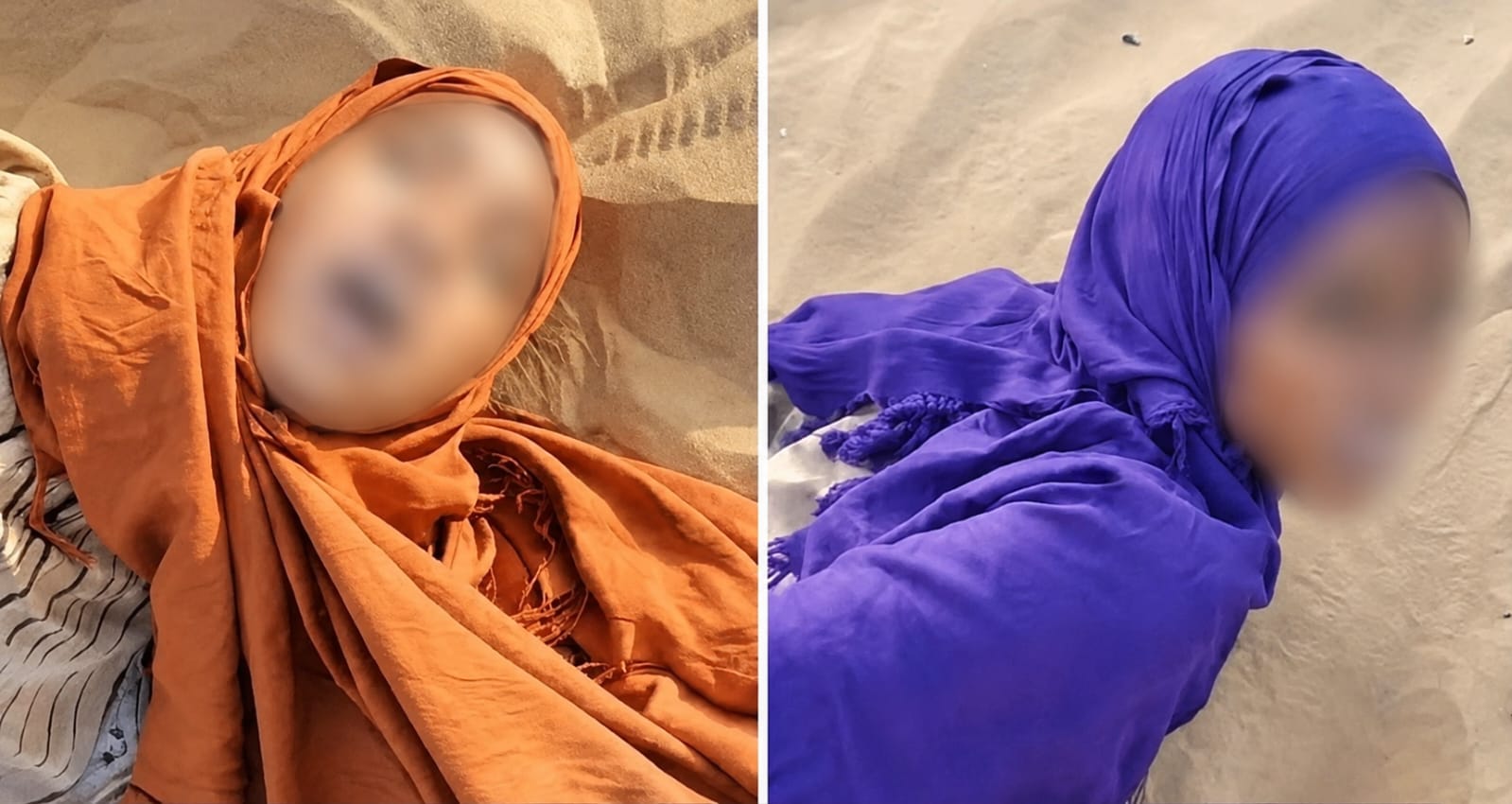
The images circulating online are difficult to ignore. Young Somali girls stranded in the burning deserts of Libya. Faces covered in dust. Bodies exhausted from endless travel. Eyes filled with fear and hopelessness. Behind those images lies a nightmare too painful for many families to even describe.
Some victims are reportedly beaten while traffickers record videos and send them back home demanding ransom money from already struggling parents. Others are locked in detention camps, starved, assaulted or forced into unimaginable abuse while their families desperately try to gather money for their release.
This is the ugly truth behind Tahriib the dangerous irregular migration route stretching from East Africa to North Africa and eventually toward Europe. For years, the word “Tahriib” has echoed through towns in Northern Kenya and Somalia like a whispered dream among young people searching for escape from unemployment and hardship. But that dream is increasingly becoming a death sentence.
The trafficking route is sophisticated, organised and deeply entrenched. Recruiters move silently within communities targeting vulnerable teenagers, especially those from poor households. Some present themselves as brokers with overseas connections.
Others pretend to offer scholarships, jobs or safe passage abroad. They know exactly how to manipulate desperation. They study communities where unemployment is high, where opportunities are limited and where young people feel forgotten by the system.
What begins as a secret journey across the border often turns into captivity.
Security experts and community sources say traffickers transport victims through Somalia, Ethiopia and Sudan before eventually reaching Libya one of the world’s most notorious migration transit hubs.
Along the route, migrants are frequently sold between smuggling groups like commodities. Human beings become business transactions. Every checkpoint becomes another opportunity for extortion. Every border crossed increases the danger.
For girls, the risks become even more terrifying.
Many disappear into detention centres controlled by armed gangs. Some are subjected to violence and exploitation while families back home receive chilling videos demanding ransom payments. In some cases, victims are reportedly tortured on camera to pressure relatives into sending money urgently. Families sell livestock, land and property trying to save their children. Others borrow heavily from neighbours and relatives. Some cannot raise the money at all.
And when the money never comes, silence follows.
Northern Kenya now finds itself standing at the centre of a growing trafficking crisis that authorities can no longer afford to treat as isolated incidents. The region’s proximity to porous borders, combined with economic hardship and limited awareness, has made it increasingly vulnerable to trafficking syndicates operating across East and North Africa.
The crisis is no longer hidden.
Stories of missing teenagers are becoming more common in Garissa, Wajir and Mandera. Communities whisper about young boys who vanished during supposed journeys to Europe. Mothers wait endlessly for phone calls that never come. Fathers live with the guilt of not stopping their children from leaving. Entire villages are now haunted by stories of sons and daughters stranded somewhere between Sudan and Libya.
What makes the situation even more painful is that many victims leave with hope, not criminal intentions. They are not hardened smugglers or dangerous individuals. Most are simply young people trying to escape poverty and hopelessness. They dream of helping their families. They dream of education, work and dignity. But criminal networks exploit those dreams mercilessly.
The Libya route has become infamous globally for its brutality. Migrants crossing the Sahara Desert often face dehydration, starvation and abandonment in remote areas. Some die in the desert without their families ever learning what happened to them. Others are intercepted and locked inside overcrowded detention facilities where abuse and exploitation are widely documented by international human rights organisations.
Yet despite these dangers, the trafficking networks continue to grow stronger because the conditions feeding them remain unresolved.
Youth unemployment across Northern Kenya remains dangerously high. Many remote communities still struggle with poverty, lack of educational opportunities and limited economic development. Social media has also intensified the problem, creating unrealistic fantasies of life abroad while traffickers use online platforms to recruit and communicate secretly with potential victims.
At the same time, fear and stigma prevent many families from reporting disappearances immediately. Some hope their children will eventually arrive safely in Europe. Others remain too ashamed to admit that a son or daughter joined Tahriib routes. By the time reports reach authorities, victims may already be thousands of kilometres away trapped inside trafficking networks.
The human trafficking crisis is therefore not just a border security problem. It is an economic problem. A social problem. A governance problem. A human tragedy unfolding in plain sight.
Community leaders, religious scholars and local activists are now raising alarm over what they describe as a rapidly escalating emergency. They are calling for stronger intelligence operations targeting traffickers and local recruiters working inside communities.
They want governments across the region to strengthen cross-border cooperation against smuggling cartels operating from East Africa to Libya. They are also demanding massive awareness campaigns in schools and villages to educate young people about the deadly realities behind irregular migration routes.
But awareness alone will not stop desperation.
The long-term solution lies in creating hope within communities before traffickers exploit hopelessness. Young people need opportunities that convince them their future can still be built at home. Families need economic support. Border surveillance needs strengthening. Human traffickers and recruiters need to face serious prosecution instead of operating with near impunity.
Most importantly, society must stop treating these stories as distant tragedies affecting “other people.” The faces in those viral Libya videos belong to daughters, sisters, classmates and neighbours. They belong to families whose lives may never fully recover from the trauma.
Behind every missing child is a mother unable to sleep. Behind every ransom video is a father drowning in helplessness. Behind every desert image is a human being who once believed tomorrow would be better.
Northern Kenya is now confronting a painful reality that cannot be ignored any longer. Human trafficking is no longer passing through the region. It is consuming it.
And unless urgent action is taken, more children will disappear from classrooms, more families will receive horrifying ransom calls from Libya, and more dreams will vanish into the desert without a trace.