

Mogadishu -Somalia
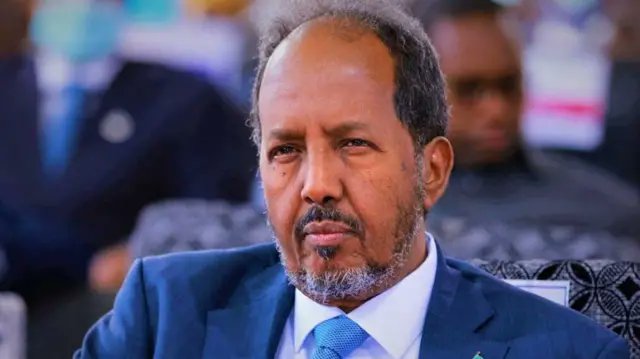
President Hassan Sheikh Mohamud’s expected visit to Las Anod on Thursday is more than a routine domestic trip it is a historic, symbolic, and politically charged move that could redefine Somalia’s internal power dynamics and its external diplomatic posture.
If confirmed, Hassan Sheikh will become the first sitting Somali president to set foot in Las Anod since 1969, when President Abdirashid Ali Sharmarke was assassinated there during an official visit a moment that altered Somalia’s political trajectory forever. The weight of history alone makes this visit unprecedented.
But timing is everything.
The visit comes amid heightened regional tensions, renewed contestation over sovereignty in northern Somalia, and growing geopolitical speculation following reports of Israel’s engagement and alleged recognition of Somaliland a move that, if consolidated, would represent the most serious external challenge to Somalia’s territorial integrity in decades.
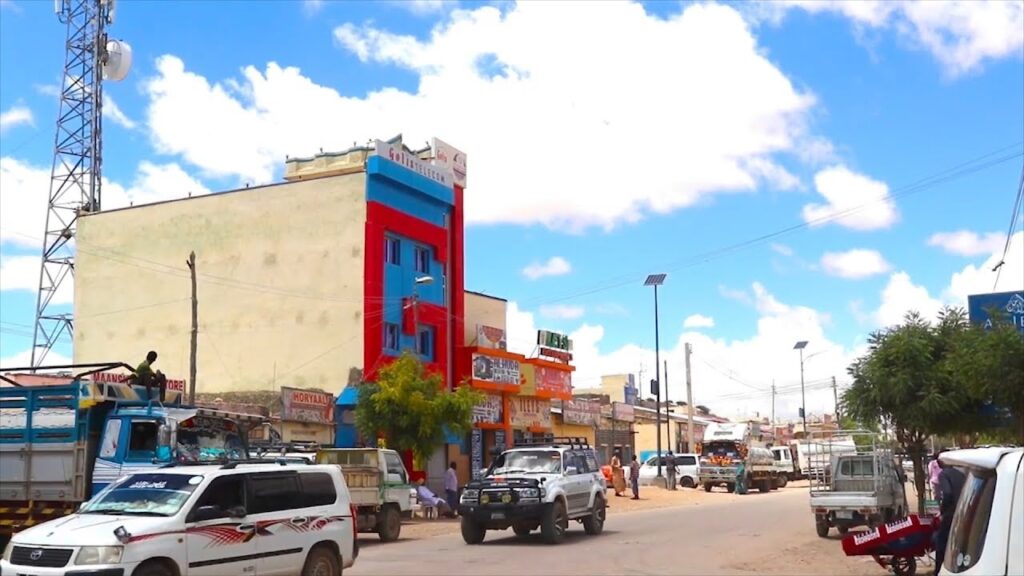
Las Anod: From Marginalized Town to Political Epicenter
Las Anod has, for years, been treated as a peripheral town caught between competing claims. But the 2023 uprising changed everything. The city decisively rejected Somaliland’s authority, expelling its forces after months of violent confrontation, and realigned itself politically with the Federal Government of Somalia.
The emergence of SSC-Khaatumo, now under the leadership of Abdulqadir Ahmed Aw-Ali (Firdhiye), has turned Las Anod into a symbol of resistance against unilateral secession and an assertion of federal legitimacy.
President Hassan Sheikh’s attendance at Firdhiye’s inauguration is therefore not ceremonial it is a direct political endorsement. It sends a clear message: Mogadishu recognizes SSC-Khaatumo as a legitimate federal entity and considers Las Anod firmly within the Somali state.
A Direct Challenge to Somaliland’s Claims
For Somaliland, Hassan Sheikh’s visit would be deeply unsettling.
Hargeisa has long portrayed Las Anod and the broader Sool region as integral to its self-declared republic. A sitting Somali president visiting, inaugurating a regional leader, and potentially deploying federal institutions there undermines Somaliland’s territorial narrative more effectively than any speech at the UN ever could.
It also exposes a strategic vulnerability: Somaliland’s claim to statehood depends on the perception of internal unity and stable borders both of which are now visibly fractured.
The Israel–Somaliland Angle: Why the Timing Matters
The visit gains further geopolitical significance when viewed against reports that Israel has moved closer to recognizing Somaliland, reportedly driven by strategic interests in the Red Sea, Gulf of Aden, and countering regional rivals.
Whether formal recognition has occurred or not, the signal alone is destabilizing.
For Somalia, any external recognition of Somaliland would represent a direct violation of its sovereignty. By stepping into Las Anod at this moment, Hassan Sheikh appears to be preemptively consolidating territorial legitimacy on the ground, countering diplomacy with presence.
In international politics, control precedes recognition. A president on the ground, inaugurating leadership, engaging local actors, and projecting authority sends a powerful message to foreign capitals: this territory is governed, claimed, and defended by Mogadishu.
A Calculated Risk for Hassan Sheikh
This visit is bold — and risky.
Security concerns remain high. Las Anod is still recovering from war, and the memory of Sharmarke’s assassination lingers in Somali political consciousness. Any incident would carry enormous consequences.
Politically, Hassan Sheikh is also betting that embracing SSC-Khaatumo strengthens federal cohesion rather than opening new fault lines with Somaliland and its allies.
Yet the president appears willing to take the risk, likely calculating that inaction now would be more dangerous than action.
A Message to the Somali People — and the World
If the visit proceeds as planned, it will mark a turning point.
To Somalis, it signals that the federal government is no longer content with symbolic unity it is asserting authority where it was previously absent.
To Somaliland, it is a warning that unilateral statehood ambitions face mounting resistance not only domestically, but from Mogadishu itself.
And to foreign powers watching Somalia’s north closely, the message is unmistakable: Somalia is reasserting itself, town by town, decision by decision.
Las Anod is no longer a forgotten frontier. It is now the center stage where Somalia’s future unity or fragmentation is being contested in real time.