

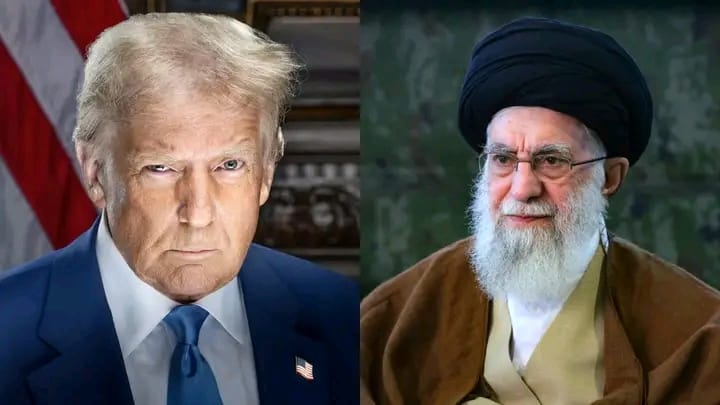
Tensions between Iran and the United States have sharply escalated following confrontation incidents on Tuesday evening in the Gulf of Oman and the Strait of Hormuz, raising fears of a potential military confrontation in one of the world’s most strategically sensitive regions. The latest developments not only highlight Iran’s willingness to challenge U.S. naval power but also underscore the intricate geopolitical maneuvering at play, as global and regional actors seek to prevent a broader conflict that could destabilize the Middle East and threaten international energy supplies.
On Tuesday evening six Iranian vessels attempted to approach and board a U.S flagged oil tanker navigating the Strait of Hormuz, a crucial maritime corridor through which a significant portion of the world’s oil shipments pass. The Strait of Hormuz is widely recognized as one of the most strategically important chokepoints in global trade, particularly for oil, and any incident threatening its security can have far-reaching economic and political consequences. By targeting a U.S.-flagged vessel, Iran sent a clear signal that it is prepared to assert its presence in the region, even if doing so risks provoking a direct confrontation with the United States.
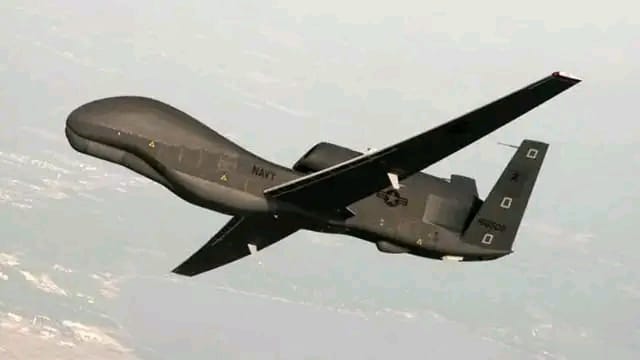
Shortly after this maritime incident, reports emerged that Iran deployed unmanned aerial vehicles (UAVs), or drones, over a U.S. aircraft carrier stationed in the Gulf of Oman. Captain Tim Hawkins, a spokesperson for the U.S. Central Command, confirmed that the Iranian drone flew over the USS Abraham Lincoln, a Nimitz-class aircraft carrier, at a distance of approximately 500 nautical miles (around 800 kilometers) from Iranian shores. Hawkins noted that the drone’s approach was “unusual and unclear in intent,” highlighting the calculated risk Iran is taking by engaging in operations far from its own coastline, while simultaneously testing the United States’ readiness to respond.
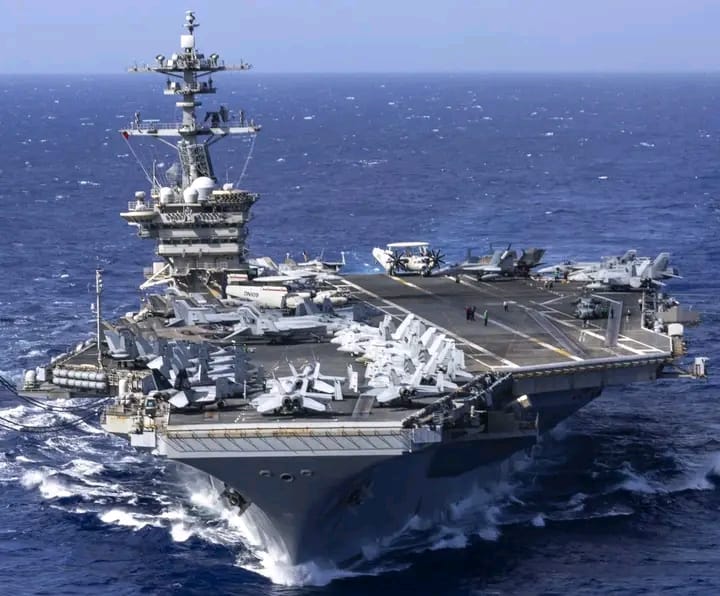
The Iranian government has officially acknowledged the naval incident involving the vessels near the oil tanker, claiming that the ship had entered what Iran considers its territorial waters. However, Tehran has remained silent regarding the drone overflight of the U.S. aircraft carrier, leaving many questions unanswered about the operational and strategic purpose behind this bold maneuver. Analysts note that Iran frequently employs such tactics to gauge U.S. military reactions, send political messages, and reinforce its image of regional influence, but the proximity of these operations to American forces makes the current situation particularly perilous.
This series of events is further complicated by Iran’s communication regarding diplomatic negotiations. Reports indicate that Iran informed the United States that it does not wish to meet in Turkey for talks and instead prefers negotiations to take place in Oman. The message suggested that any diplomatic engagement should focus exclusively on Iran’s nuclear program, explicitly excluding other regional or security issues from discussion. Such conditions reveal Iran’s strategic calculus: it seeks to limit the scope of negotiations to areas where it believes it can maintain leverage while simultaneously projecting strength through military demonstrations.
Turkey’s role in this evolving situation is particularly noteworthy. In recent months, Ankara has engaged in intensive diplomatic efforts to prevent a direct military confrontation between Iran and the United States. Turkish President Recep Tayyip Erdoğan, along with key officials, including Foreign Minister Hakan Fidan, held several meetings with Iranian counterparts, signaling Ankara’s willingness to host talks on Turkish soil to mediate tensions. Initially, the U.S. accepted the prospect of holding discussions in Turkey. However, Iran’s sudden pivot insisting that negotiations take place in Oman suggests a last-minute strategic adjustment that could complicate diplomatic efforts and test the resolve of both Turkey and the United States.
Observers see Iran’s insistence on Oman as the venue and the narrow focus on nuclear issues as part of a broader pattern of tactical maneuvers designed to extract concessions while maintaining leverage.
By combining military signaling with conditional diplomacy, Iran appears to be sending multiple messages: it wants to assert its power, avoid direct confrontation, and simultaneously maintain a position of negotiating strength. Yet this approach carries inherent risks. A miscalculation by either side could quickly escalate into a confrontation, potentially drawing in other regional and global powers with interests in Gulf security and maritime trade.
The implications of these developments extend beyond immediate military concerns. The Gulf of Oman and the Strait of Hormuz are vital arteries for global energy supplies. Any disruption whether through naval skirmishes, drone incidents, or broader hostilities could trigger dramatic spikes in oil prices, disrupt shipping routes, and provoke economic reverberations worldwide. Energy markets are particularly sensitive to geopolitical instability in the Middle East, and investors closely monitor every signal emanating from Tehran and Washington.
Additionally, the recent events have highlighted the increasingly sophisticated use of unmanned aerial vehicles in modern geopolitical strategies. The Iranian drone overflight of the USS Abraham Lincoln underscores how UAVs can serve multiple purposes: intelligence gathering, psychological signaling, and direct military intimidation. While no direct attack occurred, the presence of drones near high-value military assets introduces a new dimension of risk. U.S. military strategists have long warned that drones, with their relative affordability and low risk to personnel, offer smaller states like Iran a cost-effective means of challenging superior naval powers without immediately triggering conventional warfare.
Iran’s recent behavior also raises broader questions about regional alliances and the balance of power in the Gulf. Countries such as Oman, Turkey, and others are now pivotal intermediaries in preventing escalation. Oman’s historical role as a neutral facilitator in negotiations between Iran and Western powers is once again coming into focus.
By pushing for talks to occur in Oman, Iran is not only asserting control over the diplomatic setting but also ensuring a neutral environment less likely to favor U.S. strategic interests. This move may strengthen Oman’s diplomatic profile but also signals Iran’s desire to carefully manage optics while avoiding direct confrontation on Turkish soil, which might have carried different strategic implications.
Meanwhile, Washington faces difficult decisions. The U.S. must respond to provocative actions without appearing weak, yet avoid steps that could escalate tensions into open conflict. Diplomatic pressure, military readiness, and careful coordination with allies remain essential tools. Analysts note that U.S. military assets in the Gulf, including aircraft carriers and drones, are likely to remain on high alert, and intelligence operations will intensify to monitor Iranian maneuvers. Simultaneously, the U.S. will continue to pursue diplomatic channels, balancing pressure with opportunities for negotiation to prevent a catastrophic escalation.
It is also important to consider the domestic context in Tehran. Iran has long leveraged tensions with the United States to consolidate internal political support, portraying itself as a defender of national sovereignty against foreign pressure. The combination of military demonstrations and selective diplomatic engagement serves both external and internal purposes: deterring adversaries while reinforcing narratives of national strength at home.
The current situation serves as a stark reminder that even routine maritime operations in strategically sensitive regions can quickly evolve into crises with global implications. The interplay between naval maneuvers, drone surveillance, and diplomatic negotiations reflects the complexity of modern geopolitics, where conventional military power, asymmetric tactics, and international diplomacy intersect in unpredictable ways.
As of now, the world watches closely to see how the United States will respond to Iran’s latest moves. Will Washington attempt to recalibrate the negotiation framework, push for more inclusive talks, or maintain a posture of deterrence through continued naval presence? And how will Iran balance its desire to project power with the risks inherent in provocative military actions near U.S. forces? The answers to these questions will shape not only the future of U.S.-Iran relations but also the broader stability of the Gulf region and global energy markets.
Iran’s recent actions attempting to board a U.S.-flagged tanker, deploying drones near a major aircraft carrier, and strategically dictating the terms of potential diplomatic talks illustrate a high-stakes approach that combines military signaling with controlled diplomacy. While the situation has not yet escalated into open conflict, the potential for miscalculation remains significant. Regional actors such as Turkey and Oman, alongside global powers invested in Gulf stability, will play critical roles in mediating tensions.
Ultimately, the coming days will be decisive, determining whether these provocations lead to dialogue or further heighten the risk of confrontation in one of the world’s most sensitive and consequential maritime regions.