

As Somalia celebrates the 66th anniversary of its independence, the nation pauses to honor the brave men and women whose sacrifices made freedom possible.
Every July 1, Somalis commemorate the historic union of the former British Somaliland Protectorate and the former Trust Territory of Somaliland under Italian administration in 1960, a milestone that gave birth to the Somali Republic.
Behind that historic achievement lies the story of countless patriots who refused to surrender their dream of a free nation. Among the most celebrated of these heroes is Hawo Osman Taako, popularly known as Haawo Taako, a fearless young nationalist whose courage and sacrifice made her one of the enduring symbols of Somalia’s struggle for independence.
Although only limited information exists about her early life, Haawo Taako’s place in Somali history is unquestionable.
She emerged as a passionate supporter of the Somali Youth League (SYL), the nationalist movement founded in 1943 to unite Somalis in their pursuit of self-rule and freedom from colonial domination.
At a time when demanding independence could lead to imprisonment or death, she stood firmly beside fellow nationalists, believing that Somalia deserved to govern itself as one united nation.
Her defining moment came on January 11, 1948, when thousands of Somalis gathered in Mogadishu to demand political rights and self-determination. The demonstration reflected the growing determination of the Somali people to shape their own future after years of colonial rule.
As tensions escalated, colonial security forces confronted the protesters, and what had begun as a peaceful demonstration quickly descended into violence.
Amid the chaos, Haawo Taako refused to retreat. While many people scrambled for safety, she remained alongside fellow demonstrators, determined not to abandon the cause she believed in. Colonial forces opened fire on the crowd, and Haawo Taako was fatally shot.
Her death transformed her into one of the first and most celebrated martyrs of Somalia’s independence movement.Rather than silencing the nationalist movement, her sacrifice strengthened it. News of her courage spread across the country, inspiring thousands of Somalis to continue demanding freedom despite the dangers they faced.
Haawo Taako became a powerful symbol of resistance, proving that the desire for liberty could never be extinguished by force.
Her name soon became associated with patriotism, resilience, and the unwavering belief that Somalia would one day achieve independence.That dream became a reality on July 1, 1960, when the two Somali territories united to form the Somali Republic.
Although Haawo Taako did not live to witness that historic day, her sacrifice became part of the foundation upon which the nation was built.
Somalia’s independence was not achieved through negotiations alone but through the determination and sacrifices of ordinary citizens who risked and in many cases gave their lives for the future of their country.
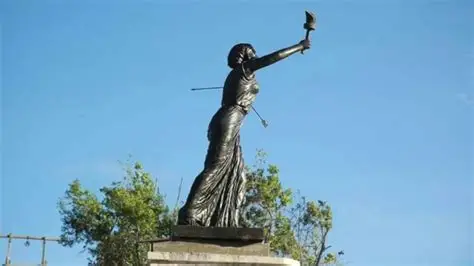
Today, Haawo Taako is remembered as one of Somalia’s greatest national heroines. Her name has been honored through schools, public institutions, and memorials, ensuring that future generations continue to learn about her extraordinary courage.
She also stands as a lasting reminder of the critical role Somali women played in the country’s liberation struggle. At a time when leadership was often viewed through a male lens, Haawo Taako proved that bravery, patriotism, and sacrifice know no gender.
As Somalia marks 66 years of independence, the story of Hawo Osman Taako continues to inspire people across the nation and throughout the Somali diaspora.
Her life reminds every Somali that freedom was earned through immense sacrifice and that the responsibility of preserving peace, unity, and national sovereignty now rests with every generation.
Though her life was tragically cut short, Haawo Taako’s legacy lives on. Every time the Somali flag is raised on Independence Day, it serves as a tribute not only to the birth of the Somali Republic but also to heroes like Haawo Taako, whose courage helped make that dream a reality.
She remains a timeless symbol of Somalia’s resilience, hope, patriotism, and the enduring spirit of a people determined to live in freedom.