

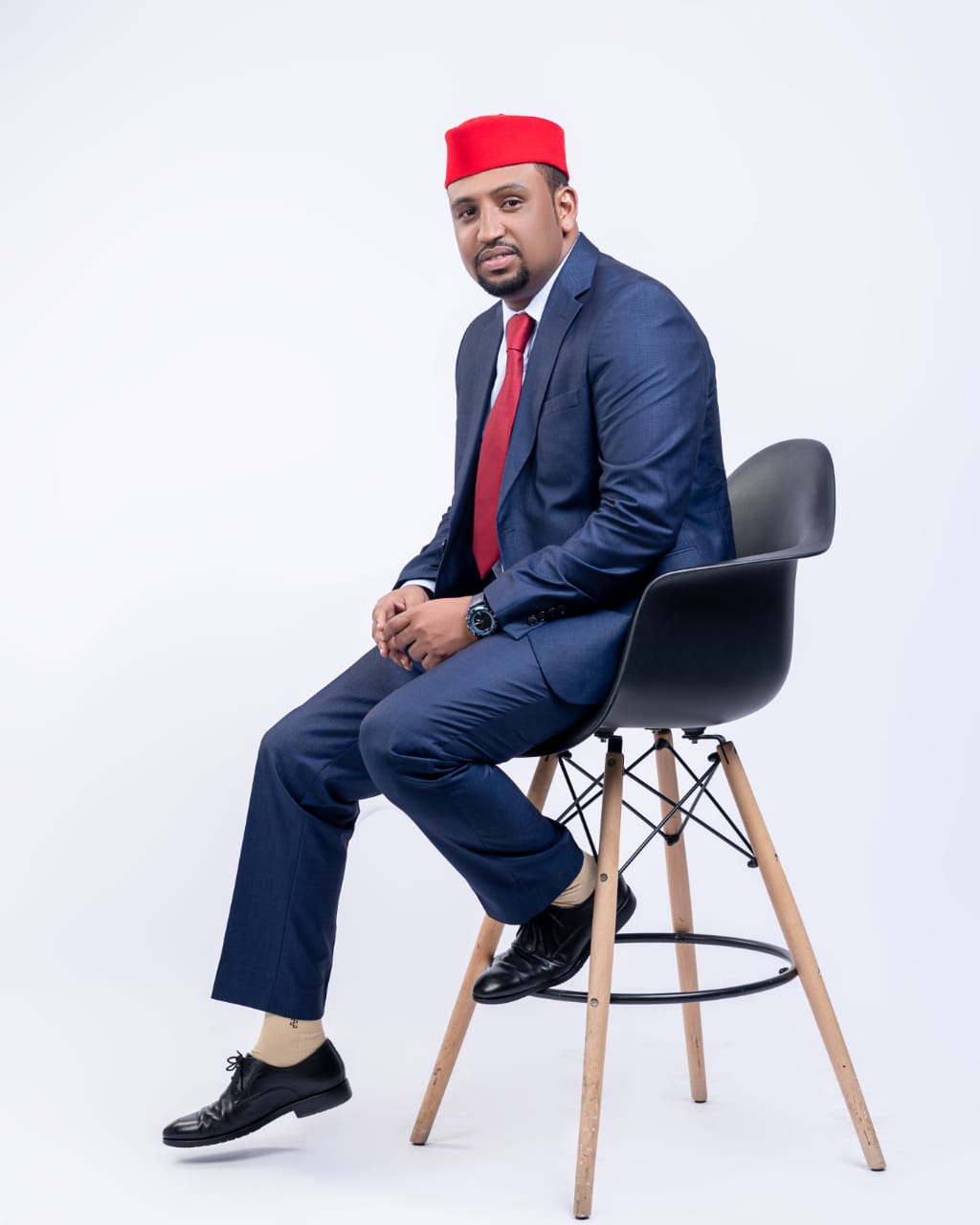
As political activity gathers momentum ahead of Kenya’s 2027 General Election, aspirants across the country are beginning to outline their vision for the constituencies they hope to represent. In Nairobi’s Kamukunji Constituency, Hon. Abdiaziz Hassan Mahamud, popularly known as Kofigaduud, has once again declared his intention to seek the parliamentary seat, promising a leadership focused on infrastructure, education, healthcare, security, and economic empowerment.
In an exclusive interview with Siyad Reports, Kofigaduud reflected on his political journey, the experiences that shaped his leadership ambitions, and his long-term vision for transforming Kamukunji into a modern and prosperous constituency.
Although originally from Mandera County, Kofigaduud says Kamukunji is the place he truly calls home. Having lived in the constituency since he was three years old, he describes his connection with its people as personal rather than political.
“My name is Abdiaziz Hassan Mahamud, popularly known as Kofigaduud. I am originally from Mandera County, but Kamukunji has been my home since childhood. I first contested for the parliamentary seat in 2017 and again in 2022. My inspiration came from witnessing police brutality and what I considered poor representation of my people. I believe Kamukunji deserves better,” he told Siyad Reports.
For Kofigaduud, seeking elective office is not a new ambition. His previous attempts have, he says, strengthened his understanding of the constituency’s needs and reinforced his commitment to serving its residents.
He explained that Kamukunji has shaped every stage of his life. It is where he received his education, built his family, and raised his children. Because of that personal history, he believes he understands the everyday realities facing residents better than many of his competitors.
“I was raised in Kamukunji, received my education here, got married here, and raised my children here. My decision to contest for this seat was therefore natural because this community has given me everything,” he said.
Unlike many aspirants whose campaigns focus primarily on immediate concerns, Kofigaduud says he is presenting a long-term development blueprint that seeks to fundamentally reshape the constituency over the coming years.
Among his most ambitious proposals is the introduction of an underground public transport system to reduce congestion within Kamukunji, one of Nairobi’s busiest commercial and residential areas.
“My long-term vision is to creatively expand public transport infrastructure by introducing underground transportation systems to decongest the constituency,” he said.
He also proposes the relocation of the Moi Military Air Base, arguing that the land could be repurposed to unlock significant opportunities for public development.
According to him, relocating the facility would create space for modern recreational parks, improved road connectivity linking Kamukunji to Outer Ring Road and Nairobi’s Central Business District, higher learning institutions, organised parking facilities, and modern sports complexes that would nurture young talent.
“It is also part of my vision to bring both public and private higher learning institutions closer to the people of Kamukunji. Getting rid of the Moi Military Air Base would create room for education, sports, public parks, and better road networks,” he explained.
The proposal represents one of the boldest elements of his development agenda and would require collaboration with the national government and other public institutions if implemented.
On the issue of youth unemployment, Kofigaduud acknowledged that Members of Parliament do not directly create jobs but insisted they can play a meaningful role in creating an environment where employment opportunities grow.
“Creating jobs is not directly part of my constitutional mandate as an MP, but I will use my office to build partnerships with the private sector and encourage businesses to employ more young people,” he said.
He added that his office would support entrepreneurs by organising business seminars, linking businesses to the Kenya Private Sector Alliance (KEPSA), facilitating access to government procurement opportunities, and engaging Nairobi County to reduce business permit costs.
He believes empowering businesses will ultimately stimulate economic growth and expand employment opportunities for the constituency’s growing youth population.
Education and healthcare also feature prominently in Kofigaduud’s manifesto.
He pledged to prioritise the expansion and renovation of public schools through the National Government Constituencies Development Fund (NG-CDF), while also investing in improved healthcare infrastructure to ensure residents have access to better services.
“Education and healthcare are fundamental pillars of development. I intend to invest heavily in expanding schools and improving public health facilities so residents receive quality services closer to where they live,” he said.
Security, another major concern among residents and business owners, forms a key pillar of his campaign.
Kofigaduud proposes expanding street lighting throughout the constituency, installing additional CCTV surveillance systems, and introducing a community-based security initiative that would employ 500 young people equipped with camera-fitted motorbikes to monitor neighbourhoods around the clock.
“I want Kamukunji to become one of the safest constituencies in Nairobi. Better lighting, surveillance technology, and community involvement can significantly improve security,” he noted.
When asked about the legacy he hopes to leave if elected, Kofigaduud said he wants to be remembered as a leader who transformed the constituency through practical development projects rather than political rhetoric.
“When I eventually leave leadership, I want people to remember improved public transport infrastructure, upgraded schools, better healthcare facilities, enhanced security, and a vibrant private sector economy,” he said.
Speaking directly to the people of Kamukunji, Kofigaduud appealed for their trust, arguing that his lifelong connection with the constituency gives him a unique understanding of their aspirations and challenges.
“I am one of their own. I understand their struggles because I have lived almost my entire life in Kamukunji. I ask them to have faith in my leadership and allow me the opportunity to serve them better,” he said.
As the race towards the 2027 General Election gathers pace, Kamukunji is expected to witness vigorous competition among candidates seeking to convince voters they are best placed to represent the constituency.
Kofigaduud’s campaign centres on infrastructure, urban renewal, education, healthcare, business empowerment, and community security. While some of his proposals particularly those involving underground transport systems and the relocation of the Moi Military Air Base would require extensive planning, technical studies, and cooperation with national institutions, they also demonstrate his intention to present an ambitious vision that looks beyond routine constituency projects.
Whether voters ultimately embrace that vision will become clear at the ballot box. For now, Kofigaduud says his message remains simple: Kamukunji deserves leadership from someone who has grown up within the community, understands its realities, and believes its future can be transformed through bold planning, accountable leadership, and sustained investment in people and infrastructure.
This interview was conducted by Siyad Reports as part of its ongoing coverage of aspirants seeking elective office ahead of Kenya’s 2027 General Election.