

The political message from Ol Kalou was loud, unmistakable and impossible for the Kenya Kwanza administration to ignore. What was expected to be a straightforward victory for the ruling United Democratic Alliance (UDA) instead ended in a stunning defeat, handing former Deputy President Rigathi Gachagua’s Democracy for the Citizens Party (DCP) a symbolic and potentially consequential win in the heart of Mt. Kenya.
On paper, it was only a by-election. In reality, it has become one of the most closely scrutinized political contests since the 2022 General Election because of what it may reveal about the shifting political mood in Central Kenya.
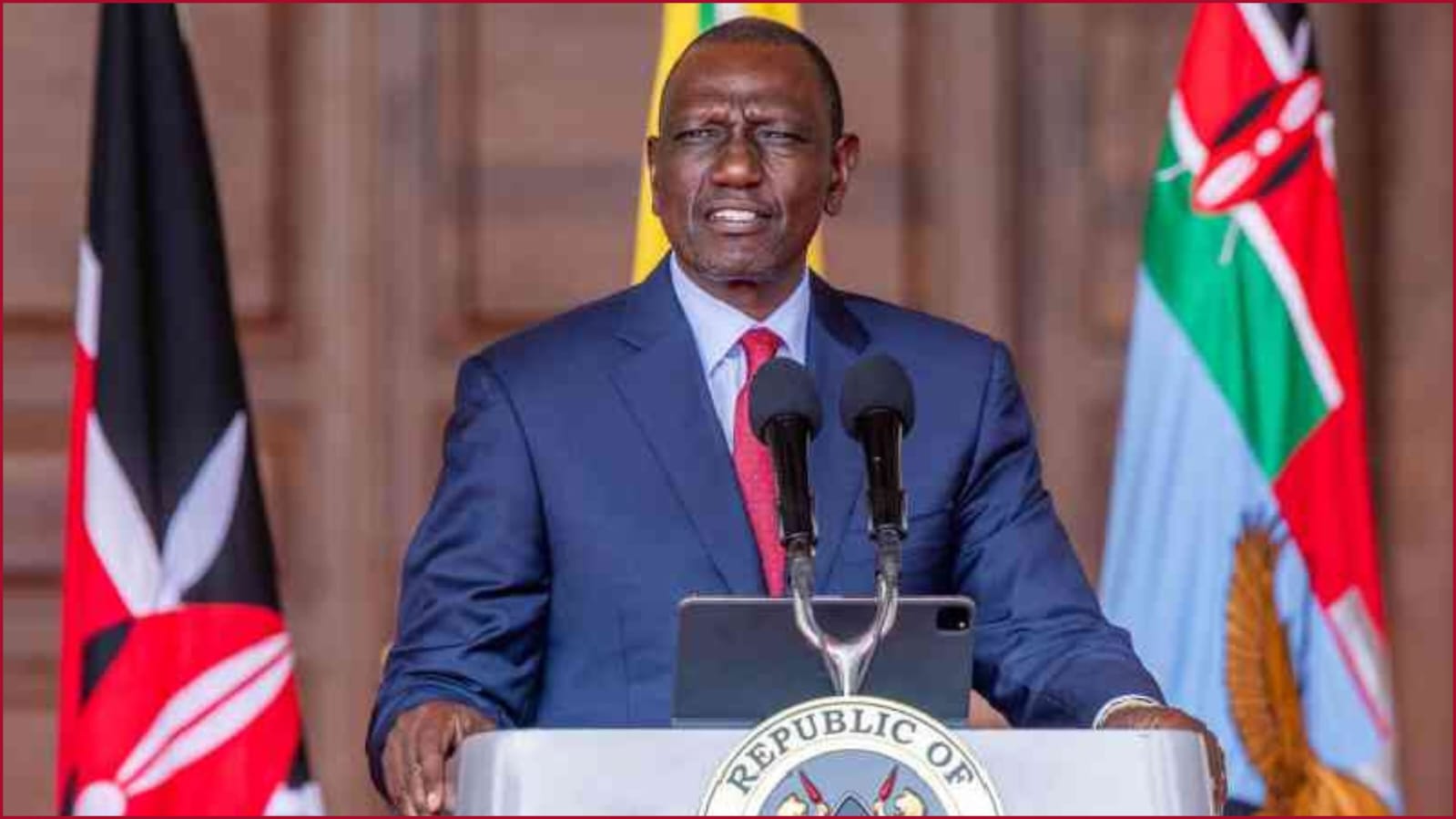
The ruling party committed significant political resources to the race. Senior government leaders traversed the constituency, campaign machinery was activated, and the election was widely viewed as a test of President William Ruto’s influence in a region that overwhelmingly backed him in 2022. Yet, despite those efforts, voters chose the opposition candidate, sending a signal that has immediately triggered questions about UDA’s standing in one of its most critical political strongholds.
The defeat has reignited debate over whether Mt. Kenya is gradually slipping away from President Ruto or whether the result represents temporary voter frustration rather than a permanent political realignment.
Senior Counsel Ahmednasir Abdullahi interpreted the outcome through a historical lens. Drawing parallels with the 1990s, he argued that former President Daniel arap Moi unsuccessfully attempted to win Kikuyu political support through development alliances and influential local elites, only to discover that the region’s political direction is ultimately determined by its voters rather than by political deals.
Ahmednasir wrote that “Moi tried to buy Kikuyu votes in the 1990s… Ol Kalou told President Ruto not to follow the Moi manual.” He further argued that in Mt. Kenya, “it’s the people that show where their leaders must take them,” while cautioning the President against relying on politicians who promise guaranteed electoral support without demonstrating grassroots influence.
His remarks are likely to deepen the ongoing national conversation about whether traditional political brokerage is becoming less effective in a region where voters increasingly appear willing to challenge established political expectations.
Deputy President Kithure Kindiki also reacted, albeit in a very different style. Shortly after the results, he posted on X: “Mbeere North: 1 Ol Kalou: 1 Final Match 10 Aug 2027.”
The brief message appeared to frame recent political contests as part of a longer electoral contest leading to the 2027 General Election. Rather than treating the Ol Kalou defeat as decisive, Kindiki’s metaphor suggested the ruling coalition still believes the ultimate political battle lies ahead.
Whether that optimism reflects confidence or an attempt to reassure supporters remains open to interpretation. Political observers will undoubtedly continue debating its significance.
The significance of the Ol Kalou result extends well beyond a single constituency. By-elections often serve as political barometers, allowing voters to express satisfaction or frustration without changing the national government. While they do not always predict future general election outcomes, they frequently expose emerging trends that parties ignore at their own risk.
For President Ruto, this result raises difficult strategic questions.
First, has the administration effectively communicated its development agenda to Mt. Kenya voters? The government has consistently highlighted infrastructure projects, economic reforms and agricultural interventions. However, elections are often influenced not only by policy announcements but by whether citizens feel tangible improvements in their daily lives.
Second, does UDA still possess the same grassroots mobilization strength that propelled it to victory in 2022? Campaign machinery alone cannot substitute for voter enthusiasm. If supporters become less motivated, even traditionally safe political territories can become competitive.
Third, the result inevitably places fresh focus on Deputy President Kindiki’s political standing within the region. Since assuming office, Kindiki has worked to strengthen his relationship with Mt. Kenya leaders and voters. Yet opponents continue to question whether he commands sufficient grassroots influence to consolidate support ahead of 2027. Although one by-election cannot conclusively answer that question, it undoubtedly intensifies political scrutiny.
Even voices within the ruling coalition have acknowledged the seriousness of the outcome.
Eldas MP Adan Keynan described the defeat as a necessary moment of reflection rather than denial.
“I must say this without fear, that this is going to be a wake-up call to the President and his handlers. It’s an opportunity for them to go back to the drawing board and recalibrate the activities of the government and the party and tailor them both for the development of the Republic of Kenya and for winning 2027,” he said.
Keynan’s remarks capture what many political analysts are now suggesting: the election should be viewed not merely as a loss but as an opportunity to reassess strategy, messaging and engagement with voters.
For the opposition, meanwhile, the victory offers both encouragement and responsibility.
Supporters of Rigathi Gachagua will argue that Ol Kalou demonstrates growing dissatisfaction with the Kenya Kwanza administration in a region once regarded as firmly behind President Ruto. However, converting by-election momentum into nationwide electoral success requires sustained organization, broad policy alternatives and continued public support over the next year.
For President Ruto, writing off the result would carry political risks. Equally, overreacting could amplify perceptions of political vulnerability. The more measured approach may be to treat Ol Kalou as an early warning rather than a final verdict.
History offers numerous examples of governments recovering from disappointing midterm electoral performances through policy adjustments, renewed grassroots engagement and stronger communication. Equally, history also shows that parties ignoring early warning signs often find themselves facing larger challenges during general elections.
Can President Ruto regain political ground in Central Kenya?
The answer remains yes but not automatically.
If the administration succeeds in convincing voters that its economic reforms will translate into improved livelihoods, if development projects become more visible at the grassroots, and if internal political differences are effectively managed, the President could still rebuild confidence before 2027.
However, if public dissatisfaction over the cost of living, economic opportunities and political representation persists, opposition forces may find increasing space to expand their influence across the region.
The Ol Kalou outcome therefore represents something larger than a constituency election. It is a political reminder that voter loyalty cannot be permanently assumed, regardless of previous electoral margins.
The road to the 2027 General Election has become more competitive, more unpredictable and significantly more consequential.
Whether Ol Kalou becomes remembered as the beginning of a broader political shift or merely a temporary electoral protest will ultimately depend on how both the ruling party and the opposition respond in the months ahead.
One thing, however, is already clear: the conversation sparked by Ol Kalou has only just begun, and every political move between now and August 2027 will likely be viewed through the lens of this unexpected result.