

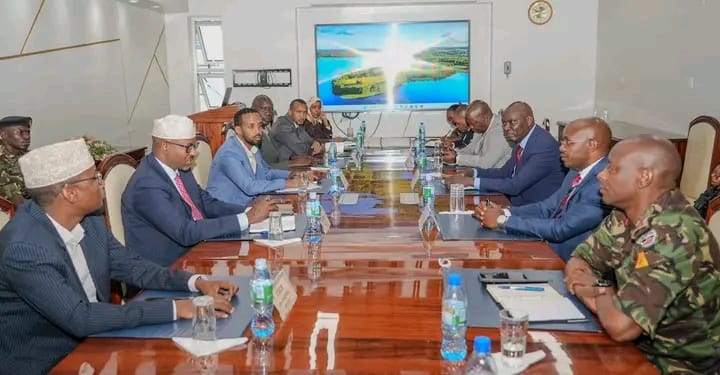
Wajir County is on the verge of a historic transformation as the construction of a modern 10,000-seater stadium is set to begin immediately, just in time for the 2026 National Madaraka Day celebrations. This monumental development follows a high-level meeting between Wajir Governor H.E. Ahmed Abdullahi and the Principal Secretary for Defence, Patrick Mariru, held at the Defence Headquarters. The meeting brought together senior Kenya Defence Forces officials, including Major General Edward Rugendo, Brigadier Titus Sokobe, and Colonel Gabriel Kibuchi, signaling a strong collaboration between the National Government and Wajir County. The partnership promises to deliver a facility that will leave a lasting legacy in sports, youth empowerment, and community engagement.
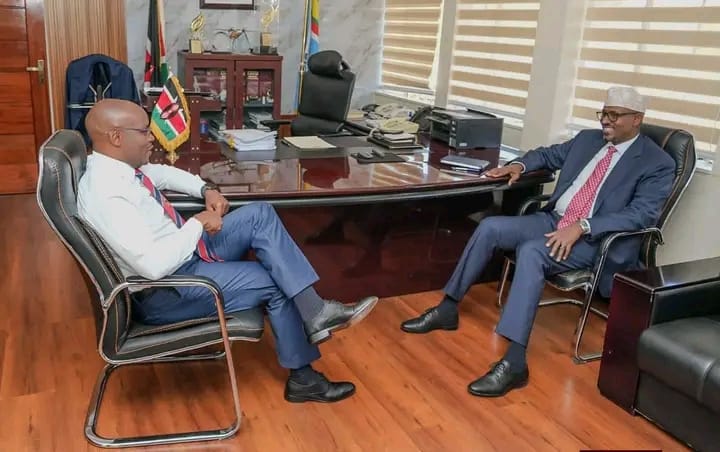
Governor Ahmed Abdullahi, who has consistently championed the cause of youth development and infrastructure growth, emphasized the significance of the project as a milestone for the county. Speaking after the meeting, Governor Abdullahi noted that the Wajir Stadium would serve as more than just a venue for national events; it would become a hub for sporting competitions, cultural activities, and community gatherings, providing young people with opportunities to nurture their talents. He expressed satisfaction that the design phase had been successfully completed and confirmed that construction would commence immediately, with the project slated for completion by June 1st, 2026, ensuring readiness for the historic Madaraka Day celebrations. The Governor described the stadium as a transformative initiative that underscores his administration’s commitment to sustainable development and community empowerment.
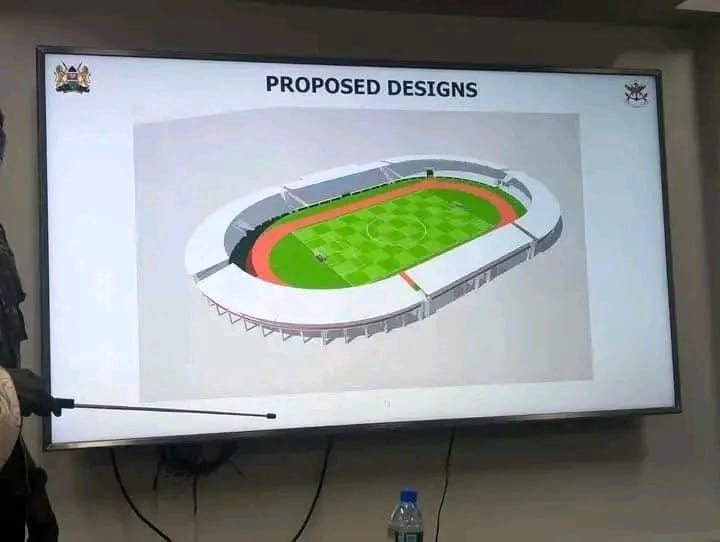
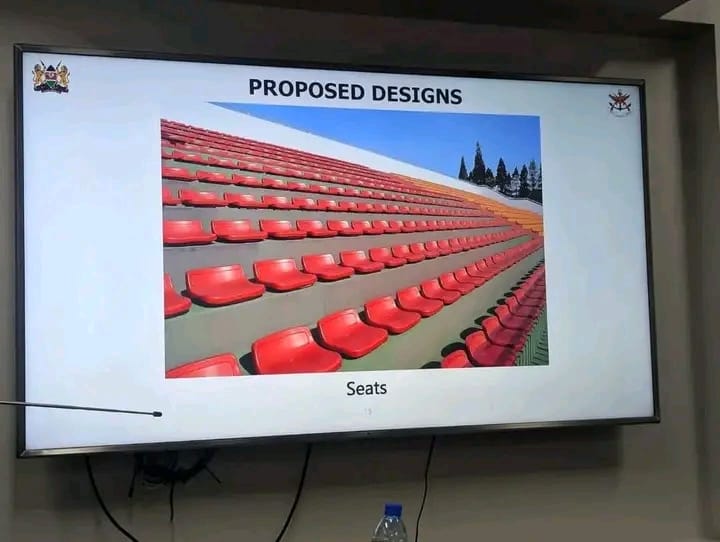
The stadium, according to Principal Secretary Mariru, will feature cutting-edge amenities designed to accommodate a wide range of sporting and recreational activities. The facility will boast fully equipped changing rooms, VIP lounges, an eight-lane running track, a professional football pitch, spectator ablution blocks, equipment storage rooms, a borehole to ensure a reliable water supply, a parking area, and a perimeter wall to enhance security. This ambitious project, implemented by the Ministry of Defence through the Kenya Defence Forces, reflects a strategic approach that combines government expertise, security, and technical capability to deliver high-quality infrastructure that meets international standards.
This development is particularly significant considering Wajir’s historical and cultural context. The county, predominantly inhabited by pastoralist communities, has often faced challenges in accessing modern infrastructure and large-scale facilities for sports and recreation. The construction of the stadium represents a landmark achievement, offering a platform for nurturing talent and hosting both regional and national events. It also signals the county’s readiness to host major national events, a vision first realized when the Governor, during the Pastoralists Summit, successfully requested H.E. the President to allow Wajir to host a National Holiday celebration. The President graciously approved, making this year’s Madaraka Day celebrations in Wajir a reality.
Governor Abdullahi described the stadium as a strategic investment that goes beyond hosting a single event. He highlighted its potential to boost local economic activity, create job opportunities during and after construction, and provide a space for youth and community engagement. By fostering an environment conducive to sports development, the stadium is expected to inspire young athletes and contribute to a culture of discipline, teamwork, and excellence. The project also aligns with broader national development goals, emphasizing the importance of inclusivity and equitable access to world-class infrastructure across Kenya’s counties.
Principal Secretary Mariru underscored the Ministry of Defence’s commitment to ensuring the project’s timely and efficient delivery. He described the Wajir Stadium as a landmark initiative that showcases the collaboration between national and county governments and the Kenya Defence Forces. By leveraging KDF’s expertise in large-scale infrastructure projects, the stadium is expected to meet the highest standards of safety, quality, and functionality. The presence of senior KDF officials, including Maj. Gen. Edward Rugendo, Brigadier Titus Sokobe, and Col. Gabriel Kibuchi, at the planning meeting reflected the seriousness and technical precision underpinning the project’s implementation.
The planned stadium is designed to serve multiple functions, including sports competitions, community events, concerts, and national ceremonies. Its eight-lane running track will provide local athletes with a venue for training and competitive events, while the football pitch will host local, regional, and potentially national matches, enhancing Wajir’s visibility on the sports map. The inclusion of VIP lounges and modern amenities further positions the stadium as a venue capable of hosting dignitaries, politicians, and visitors during major national celebrations. Moreover, the borehole and other infrastructure enhancements will ensure the facility’s sustainability and long-term utility.
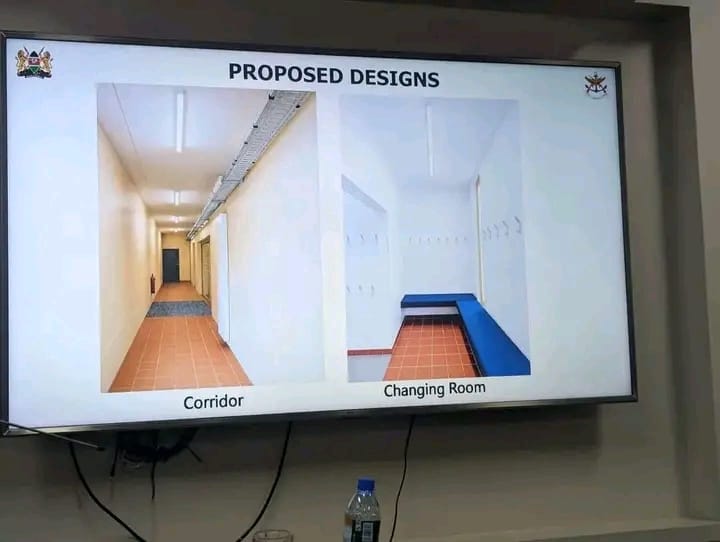
The significance of Wajir hosting the 2026 Madaraka Day celebrations cannot be overstated. Beyond the symbolic prestige, the event will catalyze development, attract investment, and enhance the county’s profile nationally. Governor Abdullahi’s forward-thinking approach has ensured that the celebrations leave a legacy that extends far beyond a single day. By integrating infrastructure development with national events, the county is creating opportunities for economic growth, tourism, and social cohesion.
This ambitious project also demonstrates the potential of effective collaboration between different levels of government. The coordinated efforts of the National Government, through the Ministry of Defence, and Wajir County, guided by Governor Abdullahi’s vision, highlight how strategic partnerships can drive transformative development in regions that have historically been underrepresented in national infrastructure projects. The use of KDF’s technical and logistical expertise ensures that the project is implemented efficiently and safely, setting a benchmark for future collaborations between national and county governments.
With construction set to begin immediately, the countdown to June 1st, 2026, has begun. By the time Wajir hosts the nation for Madaraka Day, the county will stand as a symbol of progress, vision, and strategic investment in youth and community development. The Wajir Stadium promises not only to elevate the county’s sports profile but also to serve as a beacon of national unity and a testament to what can be achieved when vision, leadership, and collaboration converge.
Governor Ahmed Abdullahi’s commitment to delivering this project reflects his broader development agenda, which prioritizes infrastructure, youth empowerment, and community engagement. As the county embarks on this transformative journey, residents and the wider Kenyan public can anticipate a modern facility that will benefit generations to come, ensuring that Wajir is not only a host of national events but also a leader in regional development, sports excellence, and community empowerment.